
MIUN NEET-25 BIO360 COURSE
MIUN Morphology Of Flowering Plants question Bank

Report a question

Morphology Of Flowering Plants Menu
- Unit Introduction
- Katherine Esau
- Introduction
- THE ROOT
- THE STEM
- THE LEAF
- THE INFLORESCENCE
- THE FLOWER
- THE FRUIT
- SEED
- Structure of a Dicotyledonous and Monocotyledonous seed
- SEMI-TECHNICAL DESCRIPTION OF A TYPICAL FLOWERING PLANT
- BRASSICACEAE
- SOLANACEAE
- Leguminosae
- MALVACEAE
- Liliaceae
- POACEAE
- Summary
Notifications If any
There have been no notifications so far. If any arise, we will inform you.
How to attempt the Quiz?
The detailed Procedure is here.
To register on the MIUN NEET website, follow these steps:
1. Visit the MIUN NEET website: Go to https://miun.in/.
2. Click on “Register” You’ll find this option on the homepage/menu bar. https://miun.in/register/
3. Fill in your details: Provide your name, mobile number, WhatsApp number, and a valid email address (for verification).
4. Create a password: Choose a password and confirm it by re-entering it.
5. Verify your email: Check your email for a verification link and click on it to confirm your registration.
6. Complete the registration: Once verified, you’ll be registered and can log in to start using the platform.
To log in to the MIUN NEET website:
1. Go to the MIUN NEET website: https://miun.in/.
2. Click “Login”: This option is on the homepage. https://miun.in/login.
3. Enter your credentials: Provide your registered User name/email address and password.
4. Click ” Login ” This will take you to your account dashboard.
You’re all set! If you encounter any issues, their support team should be able to help further. What’s next on your agenda?
To attempt a quiz on the MIUN website, follow these steps:
1. Login: Go to the MIUN Biology question bank and log in with your registered email and password.
2. Navigate to the Quiz Section: Once logged in, look for the quiz section or the specific lesson, Topic/subtopic and quiz you want to attempt.
3. Select the Quiz: Click on the quiz you want to take.
4. Read Instructions: Carefully read any instructions or guidelines provided for the quiz, if any.
5. Answer Questions: Select your answers for each question and submit your responses.
6. Submit Quiz: Once you’ve answered all questions, submit the quiz to see your results.
Morphology of flowering plants NEET Questions
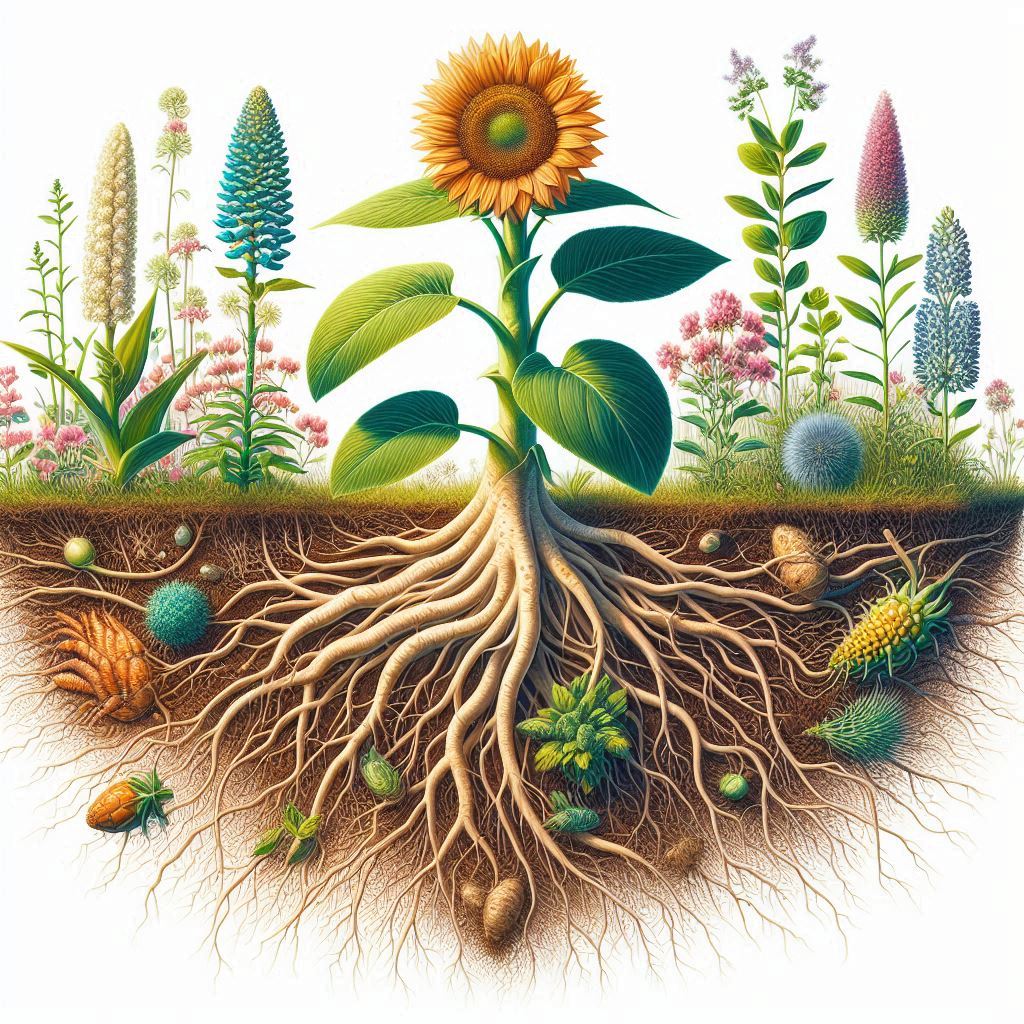
Step into MIUN, where Biology champions are made! At Miun, we are unwaveringly dedicated to ensuring your success. Our 1729 true or false questions from Morphology of flowering plants NEET Questions have been meticulously crafted. These questions are designed by experts specifically for the NEET syllabus based on NCERT alone. They guarantee a comprehensive understanding of each topic.MIUN take pride in cultivating a supportive learning community where every student is empowered to excel with confidence and ease. Join us now and embark on a journey to conquer the NEET with flying colors!paces
Immerse with MIUN and emerge as a NEET Biology whiz!”
Morphology Of Flowering Plants MCQs
Morphology Of Flowering Plants is a crucial topic for NEET aspirants. Let’s explore why it’s important:
“Morphology of Flowering Plants” is an important topic in NEET preparation, focusing on the study of the external structure and features of flowering plants (angiosperms). Here’s why it’s significant:
- Inclusion in Syllabus: Morphology of Flowering Plants is explicitly mentioned in the NEET syllabus under the Biology section. The syllabus outlines the topics and subtopics that candidates need to cover for the exam.
- Plant Morphological Features: NEET may include questions on the external morphology of flowering plants, such as roots, stems, leaves, flowers, fruits, and seeds. Candidates are expected to understand the structure, adaptations, and functions of these plant organs.
- Root Morphology: NEET may cover the different types of roots (taproots, fibrous roots, adventitious roots) and their modifications (e.g., storage roots, aerial roots). Candidates should understand the structure and functions of roots in anchoring, absorption, and storage.
- Stem Morphology: NEET may include questions on stem types (herbaceous vs. woody), stem modifications (e.g., rhizomes, stolons, tubers, bulbs), and their adaptive significance. Candidates should understand the roles of stems in support, transportation, and storage.
- Leaf Morphology: NEET may cover leaf shapes, venation patterns (parallel vs. reticulate), leaf arrangements (alternate, opposite, whorled), and leaf modifications (e.g., tendrils, spines, scales). Candidates should understand the structure-function relationships in leaves, including photosynthesis and transpiration.
- Flower Morphology: NEET may include questions on floral structures (sepals, petals, stamens, carpels), flower symmetry (actinomorphic vs. zygomorphic), inflorescence types (racemose vs. cymose), and floral adaptations (e.g., pollination syndromes). Candidates should understand the structure and functions of flowers in sexual reproduction.
- Fruit and Seed Morphology: Knowledge of fruit and seed morphology is important for understanding dispersal mechanisms and reproductive strategies in flowering plants. NEET may cover fruit types (simple, aggregate, multiple) and seed structures (embryo, endosperm, seed coat).
- Comparative Morphology: NEET may include questions comparing the morphology of different plant species or plant groups (e.g., monocots vs. dicots). Candidates should understand the adaptive significance and evolutionary relationships based on morphological characteristics.
In summary, Morphology of Flowering Plants is an important topic for NEET preparation because it provides a comprehensive understanding of the external structure and features of angiosperms. Mastery of this topic is essential for aspiring medical and dental students to succeed in the exam and pursue careers in healthcare or related fields.
Mastering Morphology of Flowering Plants topic will enhance your overall understanding of human physiology.
Best of luck with your NEET preparation! 🌟🩺📚
motivational quote
I am always ready to learn although I do not always like being taught.
Winston Churchill.
Are they same?